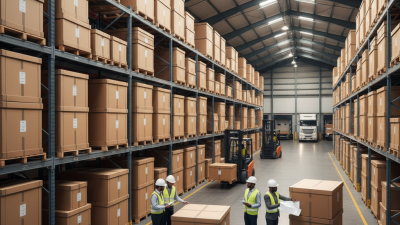
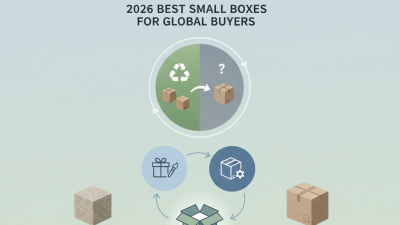
Choosing a supplier of bulk cardboard boxes is a practical decision with consequences beyond the unit price. Box strength, board grade, print quality, and delivery consistency all shape how well products travel from factory floor to customer. A pallet arriving with crushed corners makes the issue tangible.
The U.S. Environmental Protection Agency’s Advancing Sustainable Materials Management: Facts and Figures 2018 report found that 68.2% of paper and paperboard waste was recycled. That figure covers more than cardboard boxes alone, so it should not be treated as a box-specific recycling rate. Still, it highlights why material choices and end-of-life planning belong in supplier conversations. Ellen MacArthur, founder of the Ellen MacArthur Foundation and a circular-economy advocate, has said, “We need to rethink and redesign the way we make things.” Her point also applies to packaging: right-sizing a box can reduce unused space and shipping volume.
Details count. This guide examines ten worldwide suppliers through practical factors such as product range, customization, production scale, and service reach. Buyers should verify specifications, sample quality, lead times, and shipping costs directly; supplier capabilities can vary by location and order size. A polished catalog is useful, but it cannot replace a sample tested with the actual product. Nor does a global footprint guarantee the best fit for every buyer. The rankings offer a starting point, not a final verdict.
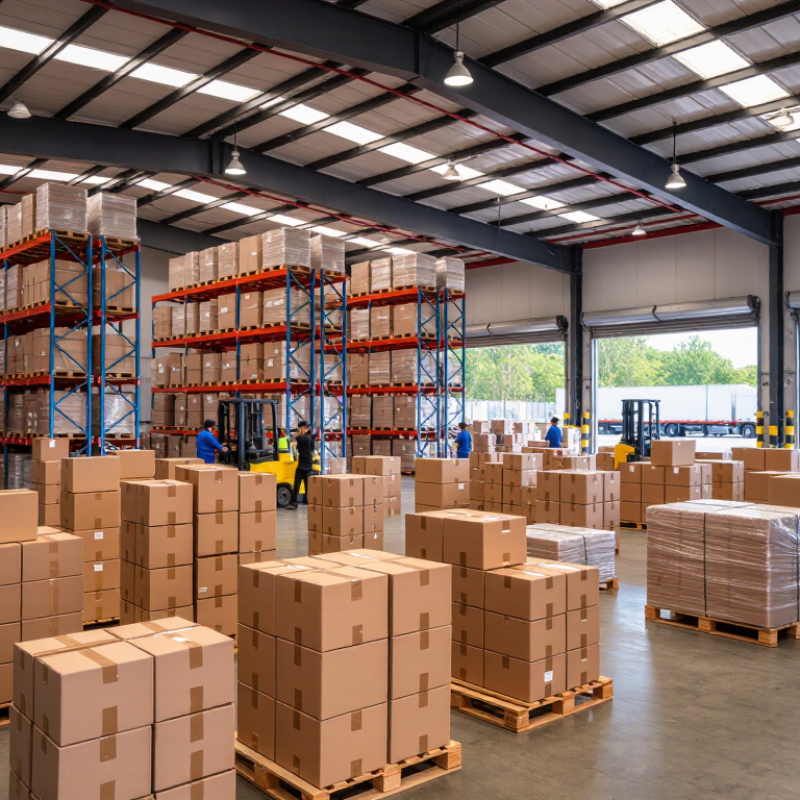
Bulk cardboard boxes are corrugated shipping containers purchased in larger quantities for repeated packing needs. “Bulk” describes the order volume, not a standard box size or strength. Most designs place a fluted paper layer between flat liners, adding cushioning and support for stacking. Construction varies. Single-wall cartons suit many lightweight goods, while heavier or fragile items may need stronger board or internal dividers. Check rated capacity and dimensions before packing. Appearance alone can mislead.
Businesses use these boxes to ship online orders, move components between facilities, store seasonal stock, and pack household goods. A warehouse worker may fold a carton and tape its bottom seam. Paper cushioning can keep a ceramic part from shifting inside. The right size reduces empty space, but tight packing can crush corners. Not every shipment fits a neat standard carton. Moisture, long storage, and repeated handling can weaken paperboard, so inspect cartons before reuse and keep them dry. Order quantities should reflect actual shipping patterns; excess cartons take up floor space and may become damaged before use.
When evaluating worldwide box suppliers, compare evidence, not polished catalogues. The FAO’s Global Forest Products Facts and Figures 2022 reports 401 million tonnes of global paper and paperboard production that year. That scale supports broad sourcing, but it does not guarantee a supplier can provide your required board grade consistently. Request samples made to your dimensions, then check flute profile, joint strength, print alignment, and compression-test results. Ask for proof. A single sample can still hide variation between production runs, so request batch records and tolerance limits.
Assess delivered cost, not just the unit price. Include tooling, minimum order quantities, inland transport, port handling, and lead-time buffers in your comparison. The U.S. EPA’s 2018 materials report recorded a 96.5% recycling rate for corrugated boxes in the United States. Treat that as a dated, country-specific benchmark—not a worldwide supplier claim. Ask suppliers to document recycled-fibre content and explain how they verify it. Small details matter. Check whether cartons survive a realistic stacking and moisture test; request an agreed test method and written results. Also confirm capacity during seasonal peaks, communication across time zones, and a clear process for handling damaged or out-of-spec shipments. The cheapest quote may win on paper, yet fail after freight and rejects are counted. I would still leave room for uncertainty: forecasts and samples cannot fully predict a difficult shipping season.
Anonymous sourcing profiles for comparing supplier types and regions—not a ranking of named companies. Capabilities vary by factory; confirm specifications, certifications, pricing, and delivery terms directly with each supplier.
| No. | Supplier profile | Common sourcing region | Typical bulk-box capabilities | Best suited for | Key evaluation points | Evidence to request |
|---|---|---|---|---|---|---|
| 1 | Integrated corrugated-board producer | China and other East Asian manufacturing hubs | May produce corrugated board and convert it into regular slotted, die-cut, or printed boxes. | Large, repeat orders with stable box specifications. | Board-grade consistency, production capacity, export packing, and total delivered cost. | Current specification sheet, sample, quality-control records, and written production schedule. |
| 2 | Export-oriented box converter | India and South Asia | Custom-size corrugated cartons, printed boxes, and standard shipping cases. | Buyers seeking custom packaging and export shipments. | Print proofing, moisture protection, carton compression performance, and export documentation. | Pre-production sample, test results where applicable, and confirmed Incoterms and packaging details. |
| 3 | Regional packaging manufacturer | Southeast Asia, including Vietnam and neighboring markets | Shipping cartons and custom corrugated packaging, with capabilities dependent on plant and order size. | Businesses diversifying supply across Asian production locations. | Factory location, subcontracting practices, raw-material sourcing, and shipment routing. | Factory address, manufacturing-process details, sample approval, and order-specific lead-time commitment. |
| 4 | European corrugated-packaging converter | Central and Eastern Europe | Standard and custom corrugated cases, die-cut designs, and printed packaging. | Regional distribution and buyers prioritizing shorter intra-European supply routes. | Delivery coverage, recycling and sourcing documentation, print quality, and order flexibility. | Product specifications, relevant certification documents, sample cartons, and delivery terms. |
| 5 | Industrial packaging specialist | Western Europe | Heavy-duty corrugated packaging and engineered solutions for demanding handling needs. | Machinery parts, industrial components, and products requiring tailored protection. | Load and stacking requirements, box design, protective inserts, and test method suitability. | Packaging drawings, performance-test reports when available, and a trial-pack assessment. |
| 6 | Large-volume domestic producer | United States and Canada | Bulk shipping cartons, regular slotted containers, and custom sizes for domestic distribution. | High-volume buyers serving North American warehouses and retail channels. | Plant-to-destination freight, replenishment capacity, minimum order quantities, and service coverage. | Written quote by destination, production capacity confirmation, box samples, and reorder terms. |
| 7 | Nearshore packaging converter | Mexico | Corrugated shipping boxes and custom packaging for regional supply chains. | North American buyers evaluating cross-border or nearshore sourcing. | Border logistics, customs responsibilities, delivery reliability, and communication across production stages. | Origin and shipping details, export documentation requirements, sample approval, and delivery plan. |
| 8 | South American regional producer | Brazil and other major South American markets | Domestic and regional corrugated cases, including custom sizes and print options. | Companies distributing within South America or comparing regional supply options. | Local delivery reach, paper availability, currency and payment terms, and export experience if needed. | Destination-specific quotation, material specification, product sample, and export references where relevant. |
| 9 | Middle East regional converter | Türkiye and nearby regional markets | Corrugated cartons for domestic distribution and regional export, subject to factory capabilities. | Buyers comparing supply routes between Europe, the Middle East, and nearby markets. | Transit route, trade documentation, production schedule, and performance under expected storage conditions. | Factory and product details, sample cartons, shipping plan, and agreed inspection criteria. |
| 10 | Local or regional short-run converter | Available in most major manufacturing and distribution markets | Smaller production runs, quick design changes, and locally sourced standard or custom boxes. | New product launches, frequent specification changes, and buyers prioritizing replenishment flexibility. | Minimum order quantity, setup charges, reorder speed, and consistency between production batches. | First-article sample, written tolerances, itemized pricing, and a documented reorder process. |
Compare like-for-like quotations using the same internal dimensions, board construction, flute type, printing, order quantity, delivery address, and trade terms. For strength claims, ask which test method and acceptance criteria are used; terms such as ECT or box compression should be tied to a defined specification. Verify any ISO 9001 or FSC-related claim through current, scope-appropriate documentation rather than relying on a logo or verbal assurance.
The bulk cardboard box industry is shaped by distance, fiber supply, and access to converting equipment. Large orders are costly to move because boxes take up considerable space, even when shipped flat. Buyers often compare nearby suppliers with distant producers offering specialized sizes or larger production runs. Freight can change the calculation.
In North America, broad transport networks connect box plants with major distribution centers, while regional availability still varies. European suppliers often serve cross-border markets, but buyers should check delivery routes and local specifications. Across Asia, manufacturing capacity and port access differ widely between regions. A regional label alone explains little.
A neat map can mislead. Ask suppliers about board grade, flute profile, moisture protection, and pallet dimensions. These details matter when boxes carry heavy goods or sit in humid warehouses. Request samples and confirm that measurements match the packing line. A supplier may quote an attractive price, yet struggle with uneven lead times or a narrow range of formats. That deserves a second look. Regional sourcing works best when freight, production consistency, and practical handling are assessed together.
Regional demand context: population by region, 2024 (millions)
Asia and Africa contain the largest regional populations, providing broad context for potential packaging demand. Population is a demand-context indicator, not a measure of cardboard-box sales, production, or supplier market share. Source: United Nations, World Population Prospects 2024; regional figures rounded.
Global bulk cardboard-box suppliers differ in scale, materials, and delivery reach. These ten profiles describe common supplier strengths, not named companies. An integrated North American producer may combine paper sourcing, box making, and regional warehouses. A European supplier focused on recycled fiber can provide clear material specifications and sample testing. An East Asian export specialist may handle large runs, flat-packed cartons, and port-ready pallets. A South Asian converter often offers custom dimensions and shorter production runs. Details matter.
A Latin American regional producer can serve nearby markets with reduced transit time. A Middle Eastern supplier may focus on sturdy cartons for industrial and food distribution. An African manufacturer can be valuable where local availability matters more than extensive customization. A heavy-duty packaging specialist designs double-wall boxes for dense or fragile goods. An e-commerce-focused supplier may offer easy-fold cartons, adjustable sizes, and print-ready surfaces.
A domestic converter often wins on quick revisions and direct communication. Not every supplier can deliver every feature. Buyers should compare board grade, box compression data, minimum order quantities, and lead times in writing. Ask for a physical sample; a neat catalog image cannot show how a box handles damp storage or rough unloading. Capacity can change, too, so confirm production schedules and delivery terms before placing a large order.
Comparing bulk cardboard box suppliers worldwide means looking beyond quoted prices. Check whether a supplier can provide the board grade, box dimensions, and print options your shipments require. Ask for sample cartons and confirm how they perform when stacked or exposed to ordinary warehouse moisture. Small details matter: a box that buckles under a pallet load can cost more than a slightly higher unit price.
Service and reach deserve equal attention. Compare minimum order quantities, production lead times, and the supplier’s ability to handle repeat orders. Ask how design changes are approved and whether delivery estimates include the full journey to your warehouse. Regional production may shorten transit, while a wider distribution network can offer more sourcing flexibility. Neither option is always better. A tidy comparison table can also hide exceptions, so verify important terms in writing.
Tips: Request a written specification for each sample, including dimensions, board strength, and tolerances. Confirm how damaged or inconsistent batches are handled. Keep one approved sample for future checks. Be cautious with promises that sound unusually precise; production schedules can shift, and I may be overlooking local freight constraints. The best supplier is the one whose capabilities match your actual order pattern—not simply the one with the broadest reach.