What Are the Best Moving Boxes to Buy in Bulk?
Buying moving boxes in bulk sounds simple, but the wrong bundle can create costly problems. A low price may hide weak cardboard, awkward sizes, or excessive filler space. The best moving boxes should match your household, packing style, and moving distance.
In my experience, a practical bundle includes small boxes for books, medium boxes for kitchenware, and larger boxes for bedding. Wardrobe boxes can protect hanging clothes and reduce folding. Double-wall cartons are useful for fragile appliances, tools, and heavier belongings. Check the box’s ECT rating, weight limit, dimensions, and bundle quantity before ordering. A sturdy handle design also helps when carrying boxes through narrow hallways.
Think about storage space.
Reliable suppliers describe their materials clearly and provide consistent measurements. Recycled cardboard can be a responsible choice, but it should still resist crushing and moisture during ordinary handling. Read recent customer reviews carefully. Look for comments about delivery damage, actual box strength, and missing pieces.
I have occasionally bought too many large boxes. They looked convenient, yet became unsafe when filled. That mistake changed how I compare bundles. Box size matters more than the biggest discount.
This guide examines bulk moving boxes by strength, price, size range, reusability, and convenience. It also considers packing tape, labels, and delivery timing. No single package fits every move. A small apartment may need a compact mixed bundle, while a family home may benefit from stronger cartons and specialty sizes. Careful planning usually saves more than buying the cheapest stack.
Types of Moving Boxes for Bulk Purchases
When buying moving boxes in bulk, choose types based on weight, shape, and handling risk. Standard single-wall cartons suit linens, toys, and lightweight kitchen items. Double-wall cartons provide stronger protection for books, tools, and small appliances. They cost more, but crushed corners are less likely during stacking.
Book boxes are compact and easier to lift when filled. Do not overpack them. A full box of hardback books becomes dangerously heavy very quickly. Medium cartons work well for clothing, pantry goods, and mixed household items. Large cartons are better for pillows, blankets, and lampshades. Heavy items should not go inside them.
Some belongings need specialized boxes. Wardrobe cartons include a hanging bar, keeping shirts and jackets neat during transport. Dish-pack cartons often use thicker walls and suit plates, glasses, and framed pieces. Mirror and picture cartons allow adjustable sizing, which reduces empty space around fragile surfaces. Mattress cartons protect bedding from dust and floor contact.
In my own packing experience, buying only large boxes seemed efficient. It was not. They became awkward to carry and left delicate items poorly supported. A practical bulk order includes several sizes, plus sturdy cartons for heavier objects. Add packing paper, corner protection, and strong tape before loading begins. Box quality matters, but correct weight distribution matters more. Some packing plans still need adjustment after the first room is packed.
How to Choose the Right Box Sizes and Strength
When buying moving boxes in bulk, size matters more than a cheap unit price. Small boxes suit books, canned food, and dense tools. Medium boxes handle towels, toys, and kitchen items. Large boxes work best for bedding and lightweight plasticware. Do not fill them with books. A large box can become impossible to lift safely.
Strength should match both weight and handling. Look for double-wall corrugated boxes for appliances, cookware, and sharp-edged objects. Single-wall boxes are usually enough for clothes and linens. The box’s edge crush rating, or ECT, indicates resistance to stacking pressure. However, the number alone is not everything. Moisture, overfilling, and damaged corners can reduce performance quickly. The International Safe Transit Association recommends testing packages against vibration, shock, compression, and environmental changes. Moving trucks create similar abuse.
Use less empty space. That helps. The U.S. Environmental Protection Agency reported that paper and paperboard containers and packaging generated about 41.9 million tons in 2018, with roughly 33.2 million tons recovered. Right-sized boxes can reduce material use and limit internal shifting. Still, I have learned that “standard” sizes are not always practical. A narrow box may waste fewer fillers but complicate an awkward lamp. Measure your belongings first, then buy a mix of sizes, including a few heavy-duty cartons and flat boxes for mirrors or framed items. Seal every bottom with reinforced tape, not hope.
What Are the Best Moving Boxes to Buy in Bulk? How to Choose the Right Box Sizes and Strength
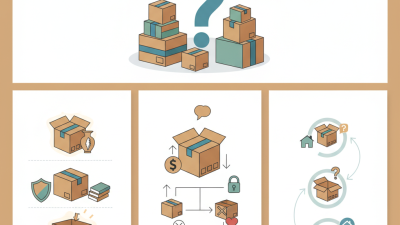
Selection note: ECT means Edge Crush Test, a common measure of corrugated-board stacking strength. The suggested weight limits are practical planning ranges, not universal certification limits; actual performance depends on board quality, humidity, handling, closure method, and how the box is packed. For most household moves, a mix of small, medium, and large boxes is more efficient than buying one size in bulk.
Comparing Box Materials, Features, and Reusability
Bulk moving boxes should be judged by material, structure, and second-use potential. Standard corrugated board is light, stackable, and easy to label. The U.S. EPA’s 2018 Facts and Figures report recorded a 96.5% recycling rate for corrugated boxes. That figure is encouraging, but it does not excuse careless disposal. Wet cardboard loses strength quickly. Cheap boxes can also collapse around books, tools, or glassware.
Board grade matters. Double-wall corrugated boxes provide better compression resistance than single-wall boxes, especially during basement storage or truck loading. Look for reinforced hand holes, flat-packed delivery, and consistent internal dimensions. Smaller boxes reduce overloading. A box filled with books should feel manageable before lifting. That practical test matters more than impressive marketing language.
Reusable plastic totes offer stronger moisture resistance and repeated trips. However, their environmental value depends on actual reuse. A container used twice may not outperform a recyclable cardboard box. Eurostat’s 2022 packaging-waste data reported an 81.5% recycling rate for paper and cardboard packaging in the European Union. This supports choosing recyclable board when a return system is unavailable. Still, recycling rates vary by region and collection quality.
My own packing checks would include a drop test, a damp-cloth test, and one realistic carry. Some “heavy-duty” boxes fail sooner than expected. That is worth admitting.
Calculating the Quantity of Boxes You Need
Calculating the Quantity of Boxes You Need
Box estimates should begin with inventory, not guesswork. The U.S. Census Bureau’s 2023 American Community Survey reported that roughly 29 million Americans moved within one year. That volume explains why standardized packing formulas are useful, but every household still differs. A studio often needs 15–25 boxes. A one-bedroom home may require 30–45. Two bedrooms usually need 50–75, while three bedrooms can reach 75–100 boxes.
Count carefully.
For a more reliable estimate, list each room and divide items by size. Use small boxes for books, tools, and canned food. Choose medium boxes for kitchenware and toys. Reserve large boxes for pillows, blankets, and lightweight clothing. Add 10–15% for forgotten drawers, seasonal items, and awkward spaces. The U.S. Environmental Protection Agency reported that containers and packaging generated 82.2 million tons of municipal solid waste in 2018. Buying too many disposable boxes creates unnecessary waste and storage problems.
A practical formula is simple: estimated boxes equals room count multiplied by its box range, plus a small buffer. A three-bedroom home with 80 boxes may need 92 after adding 15%. I would not trust room count alone. A minimalist home can need far fewer boxes, while a packed garage can change the estimate completely. Measure first, then buy in bulk. Recheck after one closet.
Where to Buy Moving Boxes in Bulk at the Best Value
Where to Buy Moving Boxes in Bulk at the Best Value
Bulk moving boxes are usually cheapest through local packaging wholesalers, moving-supply distributors, or manufacturers selling directly to consumers. Local pickup can remove a surprisingly large freight charge. That matters because corrugated boxes are bulky, not heavy. Ask for a mixed carton bundle, including small, medium, large, and wardrobe boxes. A single box size sounds efficient, but it often creates wasted space and higher tape use. The U.S. Census Bureau reported that roughly 28 million Americans moved in 2022. That steady demand supports competitive pricing, especially during quieter months.
Compare the delivered cost, not the listed unit price. Request quotes for 25, 50, and 100 boxes, then add delivery, handling, and taxes. Check the board strength, dimensions, recycled content, and return policy. The Fibre Box Association identifies edge crush strength as a key performance measure for corrugated packaging. In practical terms, weak cartons may split under books or damp basement storage. Ask whether the boxes are single-wall or double-wall. Most household items need single-wall cartons, while dishes and tools deserve stronger protection.
Online marketplaces can offer convenience, but shipping may erase the discount. Warehouse-style retailers sometimes provide value when pickup is available. The Environmental Protection Agency recorded a 68.2% recycling rate for corrugated containers in its latest detailed materials report. Reuse is still better when boxes remain clean and dry. This comparison is imperfect. Prices change by region, season, and fuel costs. I would buy slightly fewer boxes first, then add the missing sizes after packing the kitchen and closets.