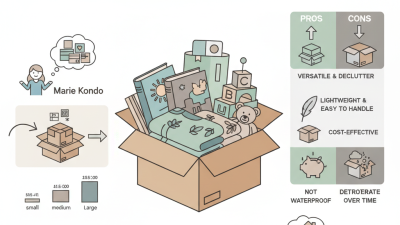
What Are the Top 10 Types of Moving Boxes?
Choosing the right moving boxes can make a move safer, faster, and less stressful. A small book box protects heavy items better than a large carton. A wardrobe box keeps shirts hanging, while a dish box uses dividers for plates and glasses. These differences matter when a hallway is narrow or a truck is nearly full.
Ryan Carrigan, co-founder of MoveBuddha and a moving-industry specialist, has said, “The best move starts with an honest estimate of what you own.” That principle applies directly to moving boxes. Buying too few boxes can create rushed packing and unstable stacks. Buying too many wastes money and storage space. Sometimes, the perfect box does not exist. Careful adjustment is still necessary.
This guide examines ten practical types of moving boxes. It covers small, medium, large, book, dish, wardrobe, mirror, television, file, and heavy-duty boxes. Each type serves a different purpose. A book box handles dense weight. A mirror box protects flat, fragile surfaces. A television box needs cushioning and a close fit. Heavy-duty cartons help with tools, appliances, and other demanding loads.
Real packing decisions are rarely perfect. Box sizes vary by supplier. Older cartons may weaken at the seams. Measuring contents first remains the safer habit. With clear examples and realistic packing advice, this overview helps readers choose moving boxes with greater confidence and fewer avoidable surprises.
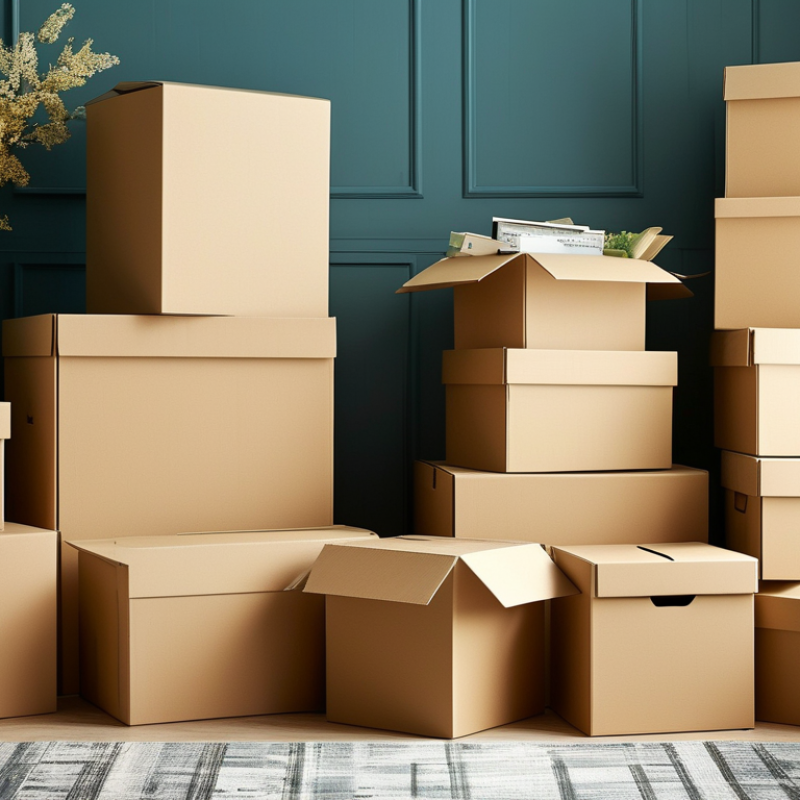
How Moving Boxes Are Classified by Size, Shape, and Intended Use
What Are the Top 10 Types of Moving Boxes?
Moving boxes are classified by size, shape, and intended use. The ten most useful types include small book boxes, medium general-purpose boxes, large lightweight boxes, and extra-large boxes. Small boxes hold dense items, such as books or canned food. Medium boxes suit kitchen tools, toys, and folded clothing. Large boxes work better for pillows and blankets. Extra-large boxes need careful loading because they become heavy quickly.
Special shapes solve specific packing problems. Wardrobe boxes hold hanging clothes without crushing them. Dish boxes use stronger walls and internal dividers for plates and glasses. Mirror and picture boxes protect flat frames with adjustable space. Mattress boxes match bed sizes and reduce surface damage. File boxes keep documents upright and easier to identify. Electronics boxes often use snug dimensions and cushioning. In practice, box labels can be confusing, and one “large” box may vary widely between suppliers. I have learned to measure the item, not trust the name alone.
Tips: Place heavy objects in small boxes and light items in large ones. Fill empty corners with plain paper or soft fabric. Test the bottom before lifting. Keep each box below a manageable weight, especially near stairs. A simple room label helps, but adding the contents prevents later frustration. Protect fragile edges with extra padding. Some packing choices still need reconsideration after loading; stability matters more than saving one box.
What Are the Top 10 Types of Moving Boxes?
Moving boxes are commonly classified by size, shape, and intended use. The chart compares representative internal volumes for ten widely used box types.
Volumes are calculated from typical internal dimensions in inches and converted to liters. Actual box sizes vary by manufacturer and moving requirement.
Small Moving Boxes for Books, Tools, and Heavy Household Items
Small moving boxes are often the safest choice for books, tools, and heavy household items. The U.S. Census Bureau reports that roughly one in ten Americans changes residence during a typical year. That means box selection affects millions of moves. Among the top ten box types, book boxes, tool boxes, file boxes, dish boxes, and small reinforced cartons deserve special attention. Their compact size limits dangerous lifting weight. A 30-centimeter box filled with hardcover books can still become surprisingly heavy. I have overpacked one before. It was a poor decision.
Use book boxes for novels, records, canned goods, and dense metal tools. Choose double-wall construction for sharp or rigid items. Wrap each tool separately to reduce movement and scratched surfaces. Leave two centimeters of space for cushioning, but do not force the flaps closed. The U.S. Environmental Protection Agency reports that containers and packaging generated 82.2 million tons of municipal waste in its latest detailed dataset. Reusing sturdy boxes can reduce unnecessary material use, although damaged cardboard should not carry heavy loads.
Tips: Weigh a packed small box before sealing it. Aim for a liftable load, not maximum capacity. Place heavier items at the bottom and lighter items above them. Mark “HEAVY” on two sides, not only the top. Keep books flat when possible. For tools, fill empty spaces with folded paper or clean clothing. A practical test is simple: lift the box without twisting your body. If your grip slips, repack it.
Medium and Large Boxes for Clothing, Kitchenware, and General Belongings
What Are the Top 10 Types of Moving Boxes?
The right box depends on weight, shape, and handling risk. The ten useful types include small book boxes, medium general-purpose boxes, large general-purpose boxes, wardrobe boxes, dish boxes, glassware boxes, TV boxes, lamp boxes, picture boxes, and file boxes. Medium boxes usually suit clothing, towels, toys, and small appliances. Large boxes hold bedding, cushions, and lightweight general belongings. Do not fill them with books. That mistake becomes painful quickly.
For clothing, place folded items inside medium boxes with a clean liner. Wardrobe boxes work better for coats, shirts, and formal clothing. Leave a little space for hangers and movement.
Kitchenware needs stronger protection. Use dish or glassware boxes with dividers, then wrap each plate separately. Heavy cookware belongs in smaller containers, not large boxes. I have found that a half-filled box often survives handling better than an ambitious full one.
The U.S. Environmental Protection Agency’s 2018 Facts and Figures report recorded 67.4 million tons of paper and paperboard packaging in municipal waste. It also reported an 80.9% recycling rate for that material. Reusing clean boxes can reduce demand, but damaged cardboard should not carry fragile items. Corrugated packaging weakens when wet. The International Safe Transit Association also emphasizes controlled testing for package performance, yet household moves remain unpredictable. Box labels help, though rushed labels can still mislead. Mark “kitchen,” “fragile,” and “open first” on two sides. A little redundancy is worth the extra minute.
Specialty Boxes for Wardrobes, Mirrors, Televisions, and Fragile Items
What Are the Top 10 Types of Moving Boxes?
Specialty moving boxes protect items that ordinary cartons cannot handle well.
Wardrobe boxes include a hanging bar, so jackets, shirts, and dresses stay upright with fewer wrinkles.
Mirror boxes use adjustable panels around glass, frames, and artwork. Fill every empty space with firm packing material. Movement causes most damage.
Television boxes
Television boxes provide extra height and cushioning for large screens. Measure the television before buying one, including its stand and protective padding. For delicate dishes, lamps, and decorations, use small fragile-item cartons. Their compact size discourages overpacking. Flat-panel boxes can still fail when the screen shifts inside. I learned that the hard way.
Tips: Label each box by room and contents. Mark the fragile side clearly. Keep glass pieces vertical when possible. Wrap corners separately. Avoid newspaper near light-colored fabric, because ink can transfer. Use clean paper and test the fit before sealing. A box that feels slightly heavy may already need repacking. That extra step often prevents crushed edges, cracked screens, and strained lifting.
Choosing the Right Moving Box for Safe Packing and Efficient Transport
What Are the Top 10 Types of Moving Boxes?
Choosing the right moving box protects belongings and improves transport efficiency.
The U.S. Census Bureau reported that about 28 million Americans moved during 2023.
That volume shows why practical packing choices matter.
In my packing experience, oversized boxes often look efficient, but they become dangerously heavy. I still make that mistake sometimes.
The ten most useful types are
small book boxes, medium general-purpose boxes, large lightweight-item boxes, wardrobe boxes, dish or barrel boxes, picture-and-mirror boxes, television and electronics boxes, mattress boxes, file boxes, and long specialty boxes.
Small boxes suit books, tools, and canned goods.
Medium boxes handle folded clothing and kitchen items.
Large boxes should hold pillows, lampshades, and blankets only.
Keep them light.
Wardrobe boxes reduce folding and protect hanging clothing.
Dish boxes need dividers and firm cushioning around plates and glasses.
Picture boxes should fit frames closely, not leave empty movement space.
Mattress boxes must match mattress dimensions, while file boxes work well for documents and compact office supplies.
The U.S. Department of Transportation’s Federal Motor Carrier Safety Administration emphasizes secure load distribution and preventing shifting during transport.
That principle applies inside each box.
Fill gaps with paper or soft textiles, tape every seam, and label two sides.
I prefer heavier boxes low and lighter boxes high, although rushed packing can disrupt that plan.
Weight labels are easy to ignore. They should not be.