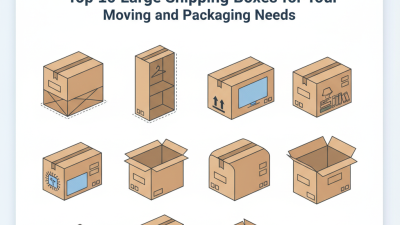
Choosing the right box sizes is a practical decision with direct effects on protection, freight space, and customer experience. Pitney Bowes’ 2024 Parcel Shipping Index estimates that global parcel volume reached 161 billion shipments in 2023. More parcels mean more cartons moving through sorting hubs, trucks, and doorways. A box that is too large can leave products shifting in transit. One that is too tight may leave little room for protective material.
This guide examines ten popular box formats sourced from Chinese suppliers and used by global buyers. Common examples include compact cartons for books, shallow boxes for apparel, and deeper cartons for kitchen goods. Measurements are often shown as length × width × height in millimeters. Check whether a supplier gives internal or external dimensions; the difference can matter when a product nearly fills the carton. Small detail. Big consequences.
The sizes in this guide are practical reference points, not universal standards. Product shape, cushioning, stacking, and shipping method can change the best choice. A glass item may need more clearance than a folded shirt, even if both fit the same nominal dimensions. A neat size chart can still mislead. Buyers should confirm samples and packed-product measurements before placing larger orders. That caution is not exciting, but it is useful. The aim here is to help buyers compare common options clearly, ask better questions, and avoid treating one “popular” size as the right answer for every shipment.

For global buyers comparing popular box sizes, measurement method matters as much as the listed dimensions. ISO 3394:2012 provides a modular reference based on a 600 × 400 mm footprint for rectangular packages; smaller footprints can be planned as subdivisions. It is a useful design guide, not a universal size requirement. A 300 × 400 mm box, for example, occupies half that footprint. Small changes can affect pallet layout and shipping space.
Measure length, width, and height in a consistent order, and confirm whether figures refer to internal or external dimensions. The difference is practical: a 300 mm internal width may not fit a 300 mm product once board thickness is added. NIST SP 811 gives the exact conversion: 1 inch equals 25.4 mm. Share both units with suppliers, but identify one as the controlling measurement. Even careful teams sometimes overlook this.
Tips: Request a sample and measure its inside dimensions before approving production. Confirm the measurement tolerance, board thickness, and whether the box is measured assembled or flat. ISO 3394:2012 and NIST SP 811 are helpful references, but they do not replace a fit test with the actual product.
China’s 10 Most Popular Box Sizes for Global Buyers is best treated as a practical shortlist, not a verified sales ranking; dimensions vary by supplier and product. Common quote-ready options, in centimetres, include 15×10×10, 20×15×10, 25×20×15, 30×20×15, and 30×30×20. Larger options include 40×30×20, 40×30×30, 50×40×30, 60×40×40, and 60×50×50. Dimensions are length × width × height. Fit matters.
These sizes can suit small accessories, folded apparel, household goods, and multi-item orders, depending on the product’s shape and protective materials. The scale of shipping makes careful sizing worthwhile. UNCTAD’s 2021 report estimated global e-commerce sales at US$26.7 trillion in 2019. FEFCO’s 2022 industry statistics recorded about 43.7 billion square metres of European corrugated-board production. Neither report identifies a universal top-ten box-size ranking, so treat the list as a sourcing reference, not market-share data.
Ask suppliers to confirm internal dimensions, board grade, and measurement tolerances before approving a sample. A snug fit helps limit movement, but inserts and cushioning take up space. Small differences matter. One weakness in any standard shortlist is that nearby sizes can overlap; a 30×20×15 cm box may fit one item neatly and another poorly. Test the packed product, not just the empty carton.
Representative carton dimensions and their approximate geometric capacity
The chart compares representative box dimensions in centimeters. Capacity is calculated as length × width × height and shown in liters; actual usable capacity may be slightly lower because of corrugated board thickness. Sizes are examples, not a ranked sales or popularity dataset.
Popular box sizes serve different shipping needs, but the product’s shape matters as much as its weight. A 15 × 10 × 8 cm box suits small accessories or sample kits. A 20 × 15 × 10 cm box fits compact stationery and packaged parts. Choose 25 × 20 × 15 cm for mugs with protective padding. A 30 × 20 × 15 cm box works for books or folded garments. The 30 × 25 × 20 cm size gives small home goods extra room.
For larger items, 35 × 25 × 20 cm boxes commonly carry shoes or several clothing pieces. A 40 × 30 × 20 cm box suits kitchenware sets and office supplies. The 45 × 35 × 25 cm format can hold lightweight household items. A 50 × 40 × 30 cm box is useful for bulkier goods, while 60 × 40 × 40 cm boxes often carry multiple products or soft furnishings. These are practical starting points, not fixed rules; fragile products may need more clearance, while oversized boxes can increase shipping costs.
Tips: Check internal dimensions before ordering. Place a sample product inside with its actual cushioning, then close the flaps. Even a small fit problem can matter. We sometimes find the “standard” size is not quite right.
Choosing among China’s popular box sizes starts with product measurements, not a catalog label. Measure length, width, and height at the widest points, including handles or protrusions. Use the box’s inside dimensions; outside measurements can mislead. Leave room for cushioning, but avoid a large empty cavity. A snug fit. For fragile products, test the packed item with the actual paper or foam you plan to use.
For shipping, compare packed dimensions and weight, since many carriers calculate charges using both. Dimensional-weight formulas vary by carrier and route, so confirm them before ordering a large production run. A 30 × 20 × 15 cm carton might suit one product, yet become inefficient after corner protection is added. Not always. Sample testing helps reveal problems early. Send a few filled boxes through the intended handling process, then inspect crushed corners, movement, and seal strength.
When ordering from China, ask whether the listed size is internal or external, and request a sample before mass production. Check the box’s board strength against the packed product’s weight, rather than choosing by appearance alone. It is tempting to select the smallest option to reduce shipping volume, but a tight fit can damage edges or slow packing. One size rarely suits every SKU. Also check how cartons stack on pallets and fit your storage shelves.
Export orders rarely fit one standard box size. Measure the packed product, not just the item. Add room for inserts, protective wrap, and slight movement. Specify internal dimensions in millimeters, then confirm the supplier’s outer dimensions. A box that looks right on screen may still press against corner protection. It happens.
Before approving production, request a physical sample or measured prototype. Test it with the actual product and packing materials. Check closure, stacking stability, and whether cartons fit your pallet or container plan. Share the destination, transport method, and handling needs with the packaging team. These details can affect board strength and box style. Allow reasonable manufacturing tolerance; a perfect fit on paper may not work in practice. That oversight can mean avoidable repacking.
Tips: Keep one approved sample as your reference. Mark length, width, and height in the same order on every drawing. Record whether dimensions are internal or external. If the product changes, review the box again. It is easy to forget.