What Are the Top Types of Packing Boxes?
Choosing the right packing boxes affects product protection, shipping costs, and the customer’s unboxing experience. A small ceramic mug needs different support than a folded jacket or a heavy tool. In practical packaging planning, box strength, internal space, and handling conditions deserve equal attention. A box that looks suitable may still fail when stacked, dropped, or exposed to moisture.
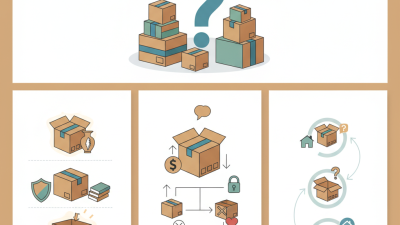
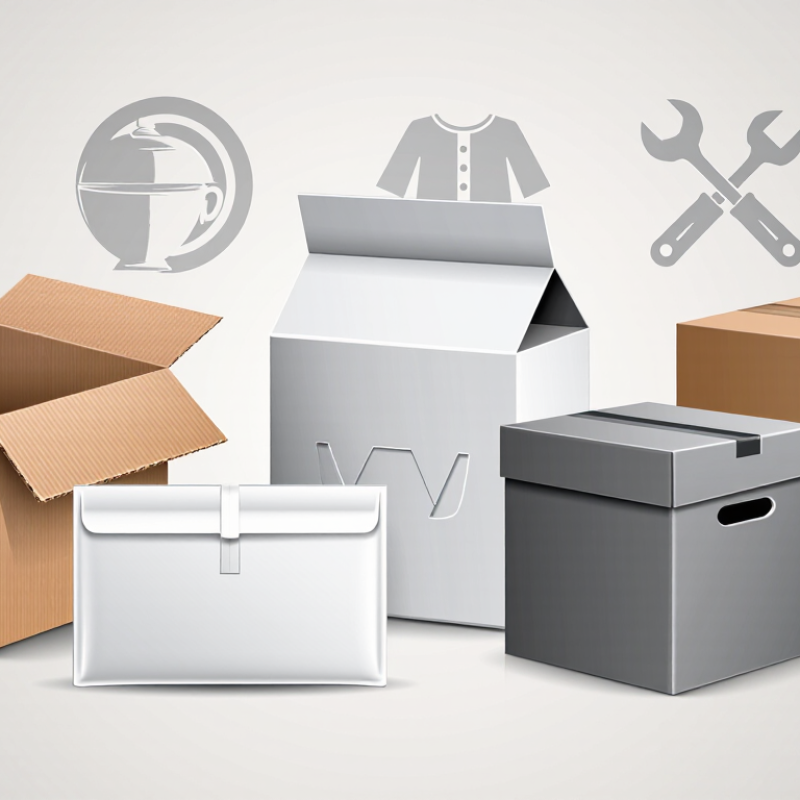
This guide introduces the top types of packing boxes, including corrugated shipping cartons, mailer boxes, folding cartons, rigid boxes, and moving boxes. Each option serves a different purpose. Corrugated cartons offer reliable cushioning and stack strength for many shipments. Mailer boxes provide convenient opening and attractive presentation. Folding cartons suit lightweight retail products, while rigid boxes create a premium feel. Moving boxes prioritize capacity, but their design may not fit delicate goods.
Details matter.
Choosing a box should begin with the product’s weight, dimensions, fragility, and delivery route. Leave enough room for protective materials, but avoid excessive empty space. Too much movement can cause damage. Too little cushioning can create pressure points. Box testing, supplier specifications, and realistic packing trials provide stronger guidance than appearance alone. Still, no packaging recommendation is perfect for every situation. I have seen attractive boxes perform poorly because their corners crushed during stacking. That kind of result deserves honest review. The best choice balances protection, efficiency, presentation, and practical handling needs.
What Defines a Packing Box and Its Main Uses
A packing box is a container designed to hold and protect items during moving, storage, or transport. Many are made from corrugated cardboard, with a fluted layer between flat sheets that helps absorb bumps. Some boxes use a single wall; heavier loads may need stronger, double-wall construction. The right choice depends on the item’s weight, shape, and fragility—not just whether it fits.
Packing boxes help keep belongings grouped, reduce handling damage, and make stacks easier to manage. A small, sturdy box suits books or tools. Larger cartons work better for lightweight items such as bedding, but overfilling them can make lifting awkward and strain the bottom. Leave room for cushioning around fragile objects. Crumpled paper or fitted inserts can limit movement, though they cannot make a weak box reliable.
Check the seams and corners before packing. They matter. Keep heavy items low, distribute weight evenly, and close the flaps securely with suitable tape. For damp areas or long storage periods, ordinary cardboard may soften, so a dry location is safer. Box labels also help identify contents without reopening each carton. Still, sizing is imperfect: oddly shaped belongings may need extra padding or a different container, and a box that looks sound can hide worn edges.
How Corrugated Cardboard Boxes Differ by Construction
Corrugated boxes differ by the number and shape of their fluted paper layers. A single-wall box has one fluted medium between two flat liners. It suits books, pantry goods, and other moderately heavy items. The arches act like tiny springs, helping absorb knocks during handling. Flute size matters: larger flutes generally offer cushioning, while finer flutes create a smoother surface for printing and stacking.
More protection, more weight. A double-wall box combines two fluted layers with three liners, making it useful for heavier products or longer shipping routes. Triple-wall construction adds another fluted layer and is often chosen for very heavy loads or repeated handling. Still, extra layers are not automatically better. An oversized, overbuilt box can waste material, and poor fit may let products shift inside. I have seen a sturdy box fail because its contents rattled against one corner.
Construction choices also affect resource use. The American Forest & Paper Association reported a 93.6% U.S. recovery rate for corrugated containers in 2022. That figure describes recovery, not the recycled content of every box. When selecting a box, check its edge-crush or burst-strength rating, then consider weight, stacking, and cushioning needs. A rating helps, but actual performance also depends on storage humidity and how the box is packed.
What Are the Top Types of Packing Boxes? – How Corrugated Cardboard Boxes Differ by Construction
| Box type |
Corrugated construction |
General characteristics |
Typical uses |
Practical considerations |
| Single-face board |
One flat liner bonded to one fluted corrugated medium; two paper layers in total. |
Flexible and cushioning, but lacks the second liner found in a conventional box wall. |
Protective wrapping, cushioning, and interior packaging around products. |
Usually used as a wrap or protective layer rather than as a standalone shipping carton. |
| Single-wall box |
One fluted medium between two flat liners; three paper layers in total. |
The common general-purpose corrugated box construction. Strength and cushioning vary with flute profile, paper grades, and board quality. |
Many everyday shipping, storage, and moving applications for products of moderate weight and fragility. |
Choose board specifications to suit product weight, stacking, handling, and shipping conditions. |
| Double-wall box |
Two fluted mediums separated by three flat liners; five paper layers in total. |
Two corrugated layers provide a sturdier wall than single-wall board and can improve resistance to compression and impact. |
Heavier goods, goods needing added protection, and shipments likely to be stacked or handled more intensively. |
Typically bulkier and heavier than a comparable single-wall box; actual performance depends on the board combination and box design. |
| Triple-wall box |
Three fluted mediums separated by four flat liners; seven paper layers in total. |
Heavy-duty construction that can provide high stacking strength and substantial protection when appropriately specified. |
Heavy or industrial products, bulk shipments, and some applications that might otherwise use a wooden crate. |
Often heavier and more difficult to fold or handle than lighter constructions; suitability depends on load, dimensions, and transport conditions. |
Note: Wall construction describes the number of corrugated layers. Flute profiles such as A, B, C, E, and F describe the shape and size of the fluting; they are separate specifications and can affect cushioning, compression performance, and print surface.
Which Packing Box Types Suit Different Items
Small, sturdy corrugated boxes suit books, canned goods, and compact tools because their weight stays manageable. Use double-wall corrugated boxes for heavier objects or several fragile items packed together. They resist crushing better, but empty space still needs cushioning. A box that is too large lets contents shift.
For dishes and glassware, choose a box with dividers, then wrap each piece separately. Wardrobe cartons help keep hanging clothes on their hangers; flat, rigid cartons protect prints and framed pictures from bending. Long items, such as floor lamps, often need telescoping boxes that adjust to their length. Not always a perfect fit. Trim excess space with clean packing paper, rather than forcing an item into a tight corner.
Box material matters beyond fit. The U.S. Environmental Protection Agency’s 2018 Facts and Figures report estimated that 96.5% of corrugated boxes were recycled in the United States. That figure describes recycling, not how much protection a box offers in transit. For costly or easily damaged items, choose a box with enough strength, cushion every side, and test the packed box with a gentle shake. I still find this step easy to skip. It shouldn’t be.
How to Choose the Right Box Size and Strength
Choosing the right packing box starts with the item, not the box label. Measure the product, then add room for cushioning on every side. A box that is too large allows movement and increases impact damage. One that is too tight can crush corners during handling.
For light clothing, books, and household items, standard corrugated cartons usually work well. Fragile glassware needs stronger walls, snug inserts, and minimal empty space. Check the box’s Edge Crush Test (ECT) rating when available. Higher ECT values generally indicate better stacking resistance, but they do not guarantee protection from drops or moisture. The International Safe Transit Association recommends testing the complete packaged product, not only the carton. That detail is often missed.
The U.S. Environmental Protection Agency reported 33.3 million tons of corrugated boxes generated in 2018, with a 96.5% recycling rate. This supports choosing recyclable fiber boxes and avoiding unnecessary oversizing. The same report recorded 82.2 million tons of containers and packaging overall. Small sizing decisions matter at scale. In practical use, I would place a filled box on a scale and inspect its seams before shipping. Still, visual checks are imperfect. A carton may look sturdy yet weaken after repeated handling or exposure to humidity. Use heavier board for dense items, double-wall construction for demanding loads, and trial packing before a large shipment.
What Are the Top Types of Packing Boxes?
Compare common corrugated box constructions using example Edge Crush Test (ECT) ratings.
Example ECT grades are 32, 44, and 61 lb/in, respectively. These are illustrative grades, not ratings guaranteed by wall count: actual strength depends on board specifications and construction. Check the box’s ECT rating, contents, and stacking conditions when choosing a size and strength.
What Materials and Features Improve Packing Protection
Packing boxes differ in strength, shape, and protective value. Corrugated cartons suit most shipments because their fluted middle layer absorbs shocks. Double-wall cartons protect heavier or fragile products better. Molded-pulp trays hold items firmly without adding much plastic. Foam inserts provide stronger cushioning, but they create disposal concerns.
Material selection should match the actual shipping risk. Moisture-resistant coatings help cartons survive damp warehouses and delivery vehicles. Edge crush strength matters when boxes are stacked. Internal dividers prevent glass, ceramics, or electronics from colliding. A snug fit also reduces movement during sudden drops. According to the U.S. EPA’s 2018 Advancing Sustainable Materials Management report, paper and paperboard containers generated 67.4 million tons of waste in the United States. Recyclable fiber is useful, but excessive layers weaken that advantage. No box is perfect. Some “protective” designs simply add weight.
Tips: Test the packed box before shipping. Shake it gently, then inspect empty spaces. Use crumpled paper for light items and fitted inserts for delicate ones. Keep at least two inches of cushioning around fragile products when practical. Follow ASTM D4169 or ISTA test procedures for repeatable evaluation. Measure damage rates, not just packaging costs. A cheaper carton can become expensive after one crushed corner.