10 Best Uses for Cardboard Boxes in Your Home and Office?
Cardboard boxes are a staple in both homes and offices. Their versatility often goes unrecognized. According to a 2021 report by Smithers Pira, the global cardboard box market is expected to reach $330 billion by 2025. This highlights the growing importance of these simple yet effective containers.
Many people think of cardboard boxes only for storage. However, they can serve multiple purposes beyond just keeping items organized. A recent study from the Paper and Packaging Board indicates that 83% of people use cardboard boxes for creative projects. By repurposing these boxes, you can enhance functionality in spaces that might need it.
While the environmental benefits are clear, not everyone utilizes cardboard boxes effectively. Some discard them without considering alternative uses. This mindset can lead to missed opportunities for sustainability. Creative applications, like making furniture or organizing spaces, can transform your living environment. Embracing these practices not only reduces waste but also fosters innovation in daily life.
The Versatile Role of Cardboard Boxes in Daily Life
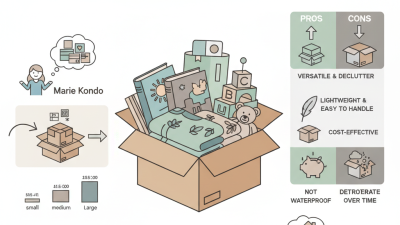
Cardboard boxes are surprisingly versatile in our daily lives. According to a report from the National Association of Manufacturers, the cardboard packaging industry generated over $25 billion in revenue in 2021. This highlights the growing importance of cardboard beyond just shipping purposes. Many individuals utilize cardboard boxes for storage solutions. They are lightweight and can easily stack, maximizing space in homes and offices.
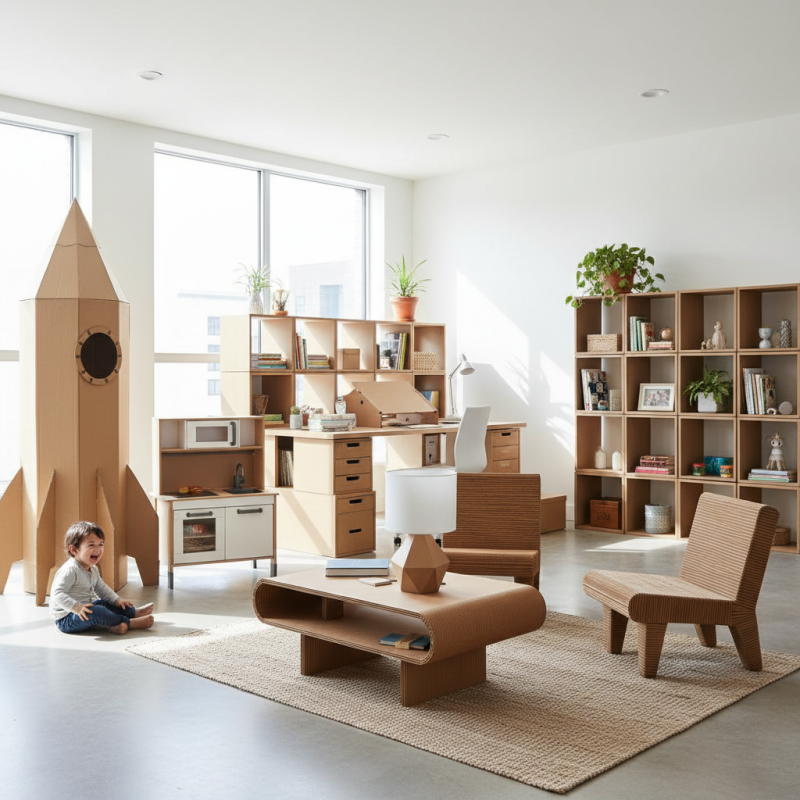
In addition to storage, cardboard boxes serve creative functions. People use them for DIY projects, such as crafting furniture or organizing workspaces. A survey conducted by the American Institute of Stress found that clutter can increase anxiety levels by up to 50%. Cardboard boxes can combat this by providing efficient organization tools. They can be personalized, making them aesthetically pleasing as well.
However, relying solely on cardboard boxes has its downsides. Over time, they may become damaged or wear out. This could lead to potential issues with storage integrity. It's essential to regularly assess their condition to ensure they serve their intended purpose. Despite their imperfections, cardboard boxes continue to play a crucial role in promoting both organization and creativity in our lives.
10 Best Uses for Cardboard Boxes in Your Home and Office
Statistics on Cardboard Box Recycling Rates and Environmental Impact
Cardboard boxes are prevalent in homes and offices. They play a significant role in our daily lives, but what happens to them after use? Recycling cardboard is a crucial aspect of environmental sustainability. Surprisingly, around 89% of cardboard is recycled in the United States, which is a commendable figure. However, there is still room for improvement.
When cardboard is recycled, it saves trees and reduces waste in landfills. Each ton of recycled cardboard can save about 17 trees. This is a critical statistic to consider, especially in an age where deforestation is a pressing issue. Yet, many still dispose of cardboard improperly. Contamination from food or moisture can hinder recycling efforts. Awareness about proper disposal is essential.
The environmental impact of cardboard recycling extends beyond mere statistics. Reduced greenhouse gas emissions result from using recycled materials. But the recycling process can be energy-intensive and less efficient without community support. Tackling these challenges requires commitment and education. Individuals must be proactive in their recycling habits. Small changes can lead to significant benefits for the planet.
Creative Storage Solutions: Maximizing Space with Cardboard
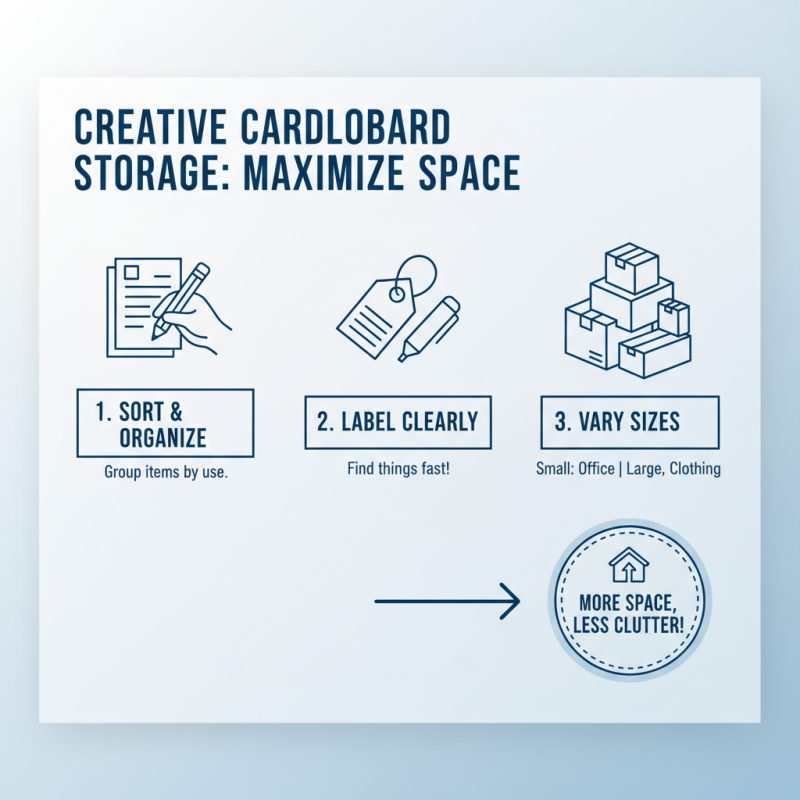
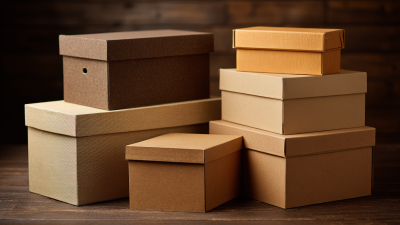
Cardboard boxes often go unnoticed as practical storage solutions. They can effectively organize your home or office while maximizing space. Start by sorting items based on usage. Label each box clearly. This simple step helps you find what you need quickly. Using different box sizes can create a neat arrangement. Small boxes work well for office supplies, while larger ones are perfect for seasonal clothing.
Consider transforming cardboard boxes into creative organizers. For example, cut boxes into sections to store files upright. This method saves space and makes access easier. You can also decorate boxes with fabric or paint. Customization adds a personal touch and can enhance your décor. However, remember to monitor their condition regularly. Flattened boxes can sometimes weaken or bend over time. Check the integrity before stacking them high.
Repurposing cardboard boxes can be fulfilling, but it requires some trial and error. Sometimes, a box may not fit as planned, leading to clutter instead of organization. It's crucial to assess your storage needs regularly. Adjust your methods based on your evolving requirements. This hands-on approach helps you find a balance that works for you.
Organizational Tools: Cardboard Boxes for Office Efficiency
Cardboard boxes can transform your office's efficiency. They are more than just containers; they are versatile organizational tools. A recent study shows that organized workspaces can boost productivity by up to 20%. When everything has a designated spot, distractions decrease, and focus increases.
Using cardboard boxes for file storage is one effective method. Label each box with its contents. This way, team members can easily find important documents. Research shows that employees spend an average of 30 minutes a day searching for misplaced items. Implementing a cardboard box system could reduce this time significantly.
Cardboard boxes are also great for project organization. Sort presentation materials, reports, and supplies by project. Not only does this keep items neat, but it also encourages collaboration. A disorganized office can lead to misunderstandings and frustration. By utilizing cardboard boxes, you create a streamlined workspace that fosters clear communication and teamwork.
Innovative Crafts: Upcycling Cardboard in Home Decor Projects
Cardboard boxes often end up in recycling bins, yet they hold the potential for creative home decor projects. According to a 2022 report from the Environmental Protection Agency, cardboard constitutes about 23% of municipal solid waste. By repurposing these boxes, we can minimize this waste while adding unique touches to our living spaces.
Consider transforming old boxes into decorative storage solutions. Simple modifications like painting or wrapping them in fabric can turn mundane boxes into stylish organizers. A study by the Craft and Hobby Association revealed that 70% of consumers are increasingly interested in DIY projects. This trend highlights the growing desire for personalized decor. Moreover, reused cardboard can serve as a canvas for DIY wall art. This not only reduces waste but inspires creativity.
However, not all projects yield satisfactory results. Some DIY endeavors can turn into challenges, revealing flaws in execution. Box dimensions may limit creativity. Gluing or cutting techniques might not be perfect, leading to imperfect outcomes. Embracing these imperfections can lead to innovative ideas. Sometimes, the most unexpected designs stem from these mishaps, prompting a reevaluation of our crafting approaches. Transforming cardboard into art can teach us valuable lessons about flexibility and resourcefulness.