What are the Best Cardboard Boxes for Moving Tips and Options?
Moving can be a daunting task, and choosing the right cardboard boxes for moving is crucial. According to industry research, approximately 33% of movers cite packing as their biggest challenge. Selecting the right boxes can streamline the process and protect your belongings. High-quality cardboard boxes can reduce breakage by up to 40%, making them an essential choice for any move.
Professional movers recommend double-wall boxes for fragile items. These boxes provide extra strength and durability. However, many people overlook the importance of box size. Using boxes that are too large can lead to shifting during transit, increasing the risk of damage. Research indicates that nearly 25% of items damaged during moves are due to improper packing.
In an age where sustainability matters, opting for eco-friendly cardboard boxes can be a responsible choice. Many companies now offer recycled materials. However, it’s important to balance sustainability with quality. Not all recycled boxes meet durability standards. Emphasizing the right type of cardboard boxes for moving can enhance your moving experience while ensuring your items arrive safely.

The Importance of Choosing the Right Cardboard Boxes for Moving
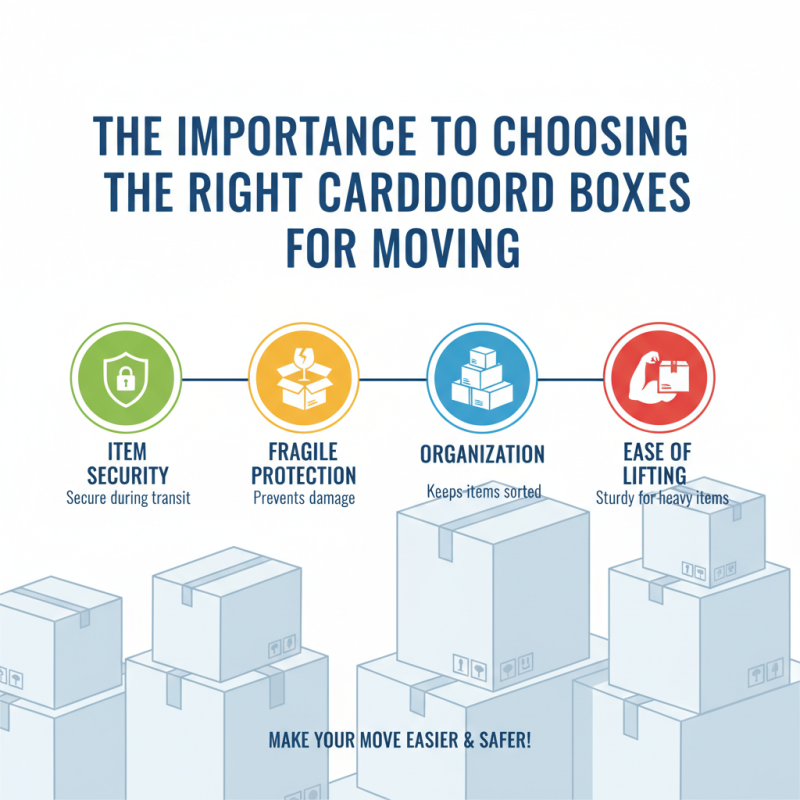
Choosing the right cardboard boxes for moving is crucial. The correct boxes ensure your items are secure during transit. They protect fragile belongings from damage and help keep everything organized. A sturdy box can make a big difference when you are lifting heavy items.
When selecting boxes, consider the size and weight of your belongings. Smaller boxes are ideal for books and heavy items. Larger boxes work well for lighter, bulkier items. It is essential to reinforce boxes with tape. Flimsy boxes may collapse under pressure. You might find that not all boxes are created equal, leading to frustration during unpacking.
Don't overlook the importance of labeling. Clear labels make it easier to identify contents. This can save time and reduce confusion. Reflect on your moving experience. Did disorganization lead to misplaced items? Taking the time to choose the right boxes can help avoid such pitfalls. Think about your past moves. What worked well? What didn’t? Your insights can guide your choices this time around.
Types of Cardboard Boxes: Sizes and Strength Ratings Explained
When moving, selecting the right cardboard boxes is crucial. Different types of boxes serve various purposes. Standard boxes are versatile and come in various sizes, typically ranging from 1.5 cubic feet to larger options. These boxes can hold everyday items, like clothes or kitchen gadgets. Their strength rating matters. Lightweight options may not support heavier objects.
For fragile items, consider specialized boxes. Dish packs have extra cushioning and sturdiness. These boxes are built to protect glassware and dishes during transit. Smaller boxes are great for books and other heavy items, ensuring they don't become cumbersome. Pay attention to the box thickness. A double-walled box offers more support compared to a single-walled one.
While it may seem straightforward, many overlook the importance of proper packing techniques. Overstuffing boxes can lead to breakage. Not all boxes are created equal. Sometimes, cheaper boxes can fold under pressure. Selecting the right type means balancing cost and quality. Assess your needs before deciding. Reflecting on past experiences can reveal valuable lessons about packing efficiently and safely.
Best Cardboard Boxes for Moving: Strength Ratings and Sizes
Key Features to Look for in Moving Cardboard Boxes
When it comes to moving, selecting the right cardboard boxes is essential. The best boxes are sturdy and can withstand weight. Look for boxes made from double-walled cardboard. These are more resilient and offer better protection for your belongings. Boxes should also come in various sizes to accommodate different items. Having small and large boxes allows for efficient packing.
Another important feature is the presence of a secure closure. Boxes with flaps that tuck in help keep items safe during transport. Some boxes also have reinforced edges, which adds an extra level of durability. Consider using boxes that are lightweight, but strong enough to hold their shape. A good box can prevent damage, but a bad one may lead to breakage.
While moving boxes may seem simple, not all are created equal. You might find some that are too flimsy or difficult to assemble. Always check for quality when purchasing. Reflecting on past moves can help. Recognizing mistakes made with previous box choices can guide you in future purchases. Having boxes that match your needs can make the moving process smoother and less stressful.
Cost-Effectiveness: Budgeting for Quality Moving Boxes
When preparing for a move, budgeting for quality cardboard boxes is essential. While it might be tempting to go for the cheapest option, spending a little more can save you trouble later. Poor-quality boxes may collapse or tear, leading to damaged items. Investing in sturdy boxes can provide peace of mind.
Consider your needs before purchasing. You may require various sizes for different items. Small boxes work well for books, while larger ones are better for bedding or clothes. A good mix is necessary to optimize space. While buying in bulk often reduces costs, do the math to ensure you aren't overspending. Aim for balance between quality and budget.
Here are a few tips for choosing moving boxes: Check local stores for used boxes—they often give them away for free. Look for strong, double-walled boxes for fragile items. Don’t overlook the importance of packing tape; invest in quality tape to prevent unintended spills. Remember, planning ahead can save both money and stress during your move.
Sustainability in Moving: Eco-Friendly Cardboard Box Options
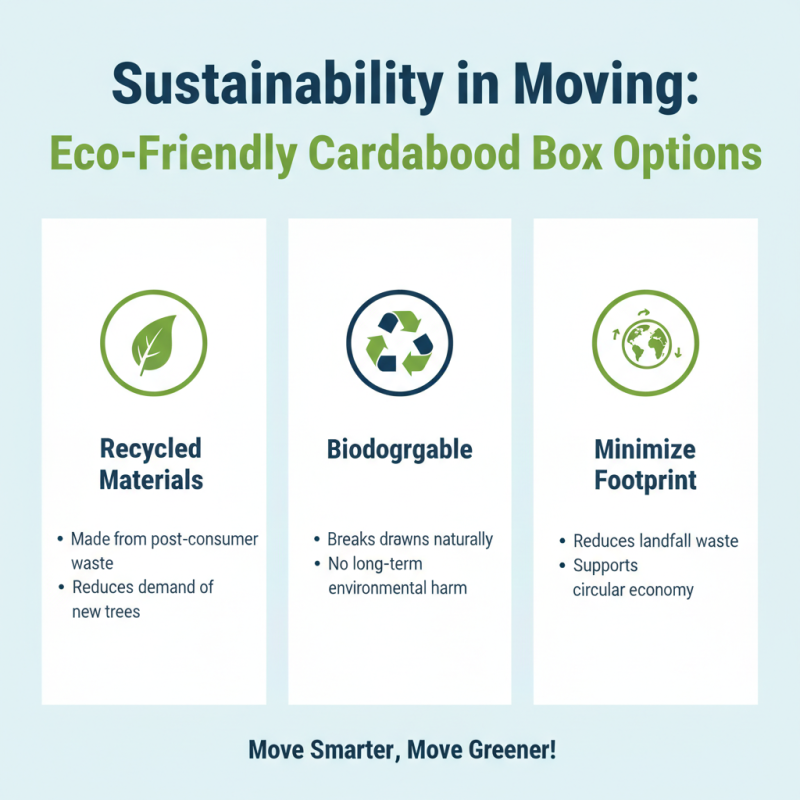
Moving can be a daunting task, especially when it comes to packing. Using eco-friendly cardboard boxes can make the process smoother and more sustainable. These boxes are made from recycled materials, which helps reduce waste. They are biodegradable, meaning they won't harm the environment after disposal. Choosing sustainable options allows you to minimize your ecological footprint during a move.
When packing, consider the size and strength of your boxes. Smaller boxes work well for heavy items like books. Larger boxes are ideal for lightweight items, like clothing and bedding. Avoid overloading boxes; they can break during transport. Don’t forget to label each box clearly. This step saves time when unpacking.
Finding the right cardboard box can be tricky. It may take some trial and error to determine which type suits your needs best. Look for local suppliers who prioritize sustainability. Your choices can have a lasting impact on the environment. Reflect on these aspects while preparing for your move.